The Ultimate Lucky Block aviator signal Guide 2026: Win Big on crash games
On This Page
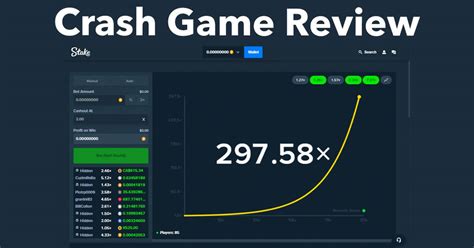
crash games have taken the iGaming world by storm, and at the center of that storm sits Aviator — the multiplier-based betting phenomenon that has players glued to their screens, fingers hovering over the cash-out button. If you've ever watched a 1.00x multiplier climb to 50x, 100x, or beyond and thought, "I should have held on," you're not alone. That gut-wrenching tension between greed and discipline is exactly what makes crash games so compelling. A reliable Lucky Block aviator signal can help you navigate that tension with more structure and less guesswork, giving you a framework for when to enter, when to cash out, and when to sit a round out entirely.
This guide breaks down everything you need to know about Aviator signals in 2026 — from the underlying mechanics of crash games to bankroll management, platform comparison, and real strategy that goes beyond the hype.
Understanding Crash Game Mechanics in 2026: Why Aviator Dominates the Scene
Aviator didn't become the most-played crash game in online casinos by accident. The formula is deceptively simple: a plane takes off, a multiplier starts climbing from 1.00x, and you must cash out before the plane flies away. If you cash out at 2.50x with a $20 bet, you pocket $50. If the plane leaves at 1.12x and you're still in, you lose your stake. Every round is an independent event governed by a provably fair random number generator (RNG), meaning past results have zero mathematical influence on future outcomes.
That last point is critical. The RNG produces a crash point for each round before anyone places a bet. No pattern, no streak, no "hot" or "cold" phase changes the odds of the next round. The house edge — typically around 1% on Aviator — is baked into the algorithm, giving the game an RTP (Return to Player) of approximately 99%. That's remarkably high compared to most slots (which sit between 94-96% RTP), which explains why savvy players gravitate toward crash games over spinning reels.
So where do signals come in? Signals don't predict the future. What they do provide is a structured approach to bet sizing, timing, and cash-out thresholds based on statistical modeling. Think of them as a disciplined framework rather than a crystal ball.
Why Aviator specifically?
Several factors separate Aviator from the growing pack of crash-style games:
- Provably fair technology: Players can verify each round's fairness using a hash seed system, ensuring the operator can't manipulate results.
- Auto-cash-out feature: You can set a target multiplier in advance, removing emotional decision-making from the equation.
- Live multiplier history: The interface displays recent crash points, allowing players to track trends (even though trends don't affect RNG outcomes).
- Social element: A live chat and bet feed create a communal atmosphere where players celebrate big wins and commiserate over early crashes together.

The community feedback on Aviator's interface has been overwhelmingly positive, with players consistently praising the clean design, instant bet placement, and the psychological thrill of watching a multiplier climb in real time. In 2026, Aviator remains the gold standard for crash games across virtually every major casino platform.
Lucky Block
Generous welcome bonus + reload offers
- Full Aviator integration & fast withdrawals
- Crypto-friendly with low fees
- Active live chat and bet feed
Bet365
Limited to sports bonus in most regions
- Fast withdrawals (1-2 business days)
- Basic bet feed available
- Established global brand
Betway
Casino welcome package available
- Moderate withdrawal speeds (1-3 days)
- Live bet feed integrated
- Strong reputation in iGaming
How Lucky Block Aviator Signal Tools Actually Work
Let's clear up a common misconception right away: no signal tool can guarantee a win on any individual round. If someone promises you a 100% accurate crash predictor, run in the opposite direction. The RNG ensures that every round is mathematically independent, and any tool claiming to "crack" the algorithm is selling snake oil.
What a legitimate Lucky Block aviator signal system does is analyze historical crash data, apply probability distributions, and suggest optimal betting patterns. Here's how the underlying logic typically functions:
Statistical Modeling
Crash games follow a probability distribution where low multipliers (1.00x–2.00x) occur far more frequently than high ones. Roughly speaking, the probability of a round reaching at least 2x is about 49%. The probability of reaching 10x drops to under 10%. By 100x, you're looking at less than 1% likelihood.
Signal tools use these distributions to recommend:
- ▸ Conservative cash-out targets (1.30x–1.80x) for high-frequency, low-variance betting
- ▸ Moderate targets (2x–5x) for balanced risk-reward
- ▸ Aggressive targets (10x+) for occasional moonshots with small stakes
Bankroll Allocation
This is where signals add genuine value. A well-designed signal doesn't just tell you when to bet — it tells you how much to bet relative to your total bankroll. Common frameworks include:
Flat betting
The same stake every round (e.g., 1% of bankroll)
Martingale
Doubling after each loss (high-risk, not recommended for crash games)
Anti-Martingale (Paroli)
Increasing stakes after wins to capitalize on momentum
Kelly Criterion
Percentage-based adjusting bet size based on perceived edge
The best signal systems in 2026 lean toward flat betting or modest percentage adjustments. They prioritize longevity over flashy short-term gains. If your bankroll survives 500 rounds, you're in a position to capitalize on high-multiplier opportunities. If you blow it in 20 rounds chasing 100x hits, you never get the chance.
Timing and Round Selection
Some signal tools recommend skipping rounds based on recent crash patterns. For example, if the last five rounds all crashed below 1.50x, a signal might suggest that a higher multiplier is "statistically due" — even though, mathematically, this is the gambler's fallacy. The RNG doesn't care about recent history.
That said, round selection can serve a psychological purpose. If skipping rounds helps you avoid tilt and maintain discipline, it has practical value even if the statistical reasoning is flawed. The best players treat round selection as a emotional management tool, not a predictive one.
What to Look for in a Signal Provider
Not all signal tools are created equal. In 2026, the landscape is cluttered with Telegram groups, Discord servers, and standalone apps all claiming to have the inside edge. Here's what separates legitimate tools from the noise:
| Feature | Legitimate Signal | Red Flag |
|---|---|---|
| Transparency | Shares methodology and historical performance data | Claims "secret algorithm" with no explanation |
| Expectations | Acknowledges losses and variance | Promises consistent daily profits |
| Cost | Free or modest subscription | Requires large upfront payment or "VIP" tier |
| Community | Active discussion with real users | One-way broadcast, no community engagement |
| Regulation | Associated with licensed platforms | Operates in a gray area with no oversight |
Players consistently report that the most useful signal tools are those that emphasize risk management over prediction accuracy. A signal that helps you preserve your bankroll through 200 rounds is worth more than one that correctly predicts a single 50x crash but encourages reckless staking on every other round.
Step-by-Step Guide: Maximizing Your Crash Game Strategy on Lucky Block (2026)
Theory is one thing. Execution is another. Here's a practical, five-step framework for applying signal-based strategy to your Aviator sessions on Lucky Block.
Set Your Bankroll and Session Limits
Before you even look at a signal, determine your total bankroll for the session. This should be money you can afford to lose — not rent, not groceries, not next month's budget. If you're playing with $500, that's your ceiling. Divide that into session stakes: if you plan to play 100 rounds at flat bet, your stake is $5 per round. If you want 200 rounds, it's $2.50. Set a win target and a loss limit. A common approach: walk away if you're up 30% or down 20%. This prevents both overconfidence and tilt-driven chasing.
Choose Your Cash-Out Strategy
Based on the signal data and your risk tolerance, pick a cash-out framework. Low-risk means auto-cash-out at 1.30x–1.50x for high hit rates and small profits. Medium-risk is auto-cash-out at 2x–3x for balanced profits — the sweet spot for most players. High-risk involves manual cash-out, targeting 5x–10x or higher. Use sparingly with small stakes.
Pro tip: Use the auto-cash-out feature whenever possible. It removes the emotional temptation to "hold on just a little longer" — which is the single biggest bankroll killer in crash games.
Monitor Signal Recommendations in Real Time
As you play, keep your signal tool open in a secondary tab or on your phone. Pay attention to recommended bet size, suggested cash-out targets, and round skip indicators. Don't blindly follow every recommendation. Use signals as input for your decision-making, not as a replacement for it. If a signal suggests a 10x target but you've already hit your loss limit, the correct move is to stop.
Track Your Results
Keep a simple spreadsheet or notebook tracking round number, bet size, cash-out multiplier, profit/loss, and signal recommendation vs. actual outcome. After 50–100 rounds, patterns will emerge. You'll see which strategies align with your temperament and which ones lead to impulsive decisions. This data is invaluable for refining your approach over time.
Adjust and Iterate
No strategy is static. As you accumulate data, adjust your cash-out targets based on actual hit rates, bet sizing based on observed variance, and session length based on when fatigue or tilt begins to affect decision-making. The players who consistently profit (or at least minimize losses) in crash games are the ones who treat it like a discipline, not a lottery ticket.
Lucky Block vs. The Competition: Where to Play Aviator in 2026
Not every casino offers the same Aviator experience. Platform choice affects everything from withdrawal speed to bonus availability to the quality of the live community. Here's how Lucky Block stacks up against other major platforms in 2026:
| Platform | Aviator Availability | Bonus for Crash Games | Withdrawal Speed | Community Features |
|---|---|---|---|---|
| Lucky Block | ✅ Full integration | Generous welcome bonus + reload offers | Fast, streamlined process | Active live chat, bet feed |
| Bet365 | ✅ Available | Limited to sports bonus in most regions | Fast (1-2 business days) | Basic bet feed |
| Betway | ✅ Available | Casino welcome package | Moderate (1-3 business days) | Live bet feed |
| 1xBet | ✅ Available | Large but high rollover requirements | Variable by method | Active community |
| Dafabet | ✅ Available | Asia-focused promotions | Moderate | Limited social features |
Lucky Block stands out for several reasons. Many players report frustration with platforms that advertise massive bonuses but bury the rollover requirements in fine print. The community feedback on Lucky Block's bonus transparency has been notably positive, with players appreciating clear terms and reasonable wagering requirements that don't make it nearly impossible to withdraw winnings.
Fast payouts are non-negotiable for serious crash game players. When you hit a big multiplier, you want access to your funds without a week-long waiting period. Lucky Block's withdrawal process is designed for speed, and players consistently praise the efficiency compared to competitors where verification and processing can drag on.
Unlike sportsbook-first platforms where casino games feel like an afterthought, Lucky Block's casino experience is front and center. The Aviator interface is optimized, the live feed is active, and the overall UX is built for crash game enthusiasts rather than retrofitted from a sports betting template. In 2026, crypto integration isn't a luxury — it's an expectation. Lucky Block's support for digital currencies means faster transactions, lower fees, and greater privacy for players who prefer not to share banking details with every casino they use.
Ready to Test Your aviator strategy?
Join Lucky Block today to experience fast payouts, generous bonuses, and the ultimate crash game action.
CREATE FREE ACCOUNTPros and Cons of Using Aviator Signals
No strategy tool is perfect. Here's an honest assessment of what signals bring to the table — and where they fall short.
Pros
- ✓ Structure and discipline. Signals provide a framework that helps counter the emotional chaos of crash games. Having a predetermined cash-out target prevents in-the-moment panic or greed.
- ✓ Bankroll protection. Quality signal systems emphasize bet sizing relative to your total bankroll, which extends your playing session and reduces the risk of catastrophic losses.
- ✓ Data-driven approach. Instead of relying on gut feelings or superstition, signals ground your decisions in statistical reality.
- ✓ Community insight. Many signal platforms include active communities where players share strategies, discuss results, and learn from each other's experiences.
- ✓ Reduced tilt. When you have a system to follow, you're less likely to chase losses or make impulsive bets after a frustrating round.
Cons
- ✗ False confidence. The biggest danger of signal tools is that they can create an illusion of control. Players may start believing the signal "knows" something they don't.
- ✗ No predictive power. Signals cannot predict individual round outcomes. The RNG ensures independence. Anyone claiming otherwise is either misinformed or dishonest.
- ✗ Cost. Some signal providers charge subscription fees that eat into your bankroll. If you're paying $50/month for signals and your average session profit is $30, you're net negative.
- ✗ Over-reliance. Players who follow signals mechanically without understanding the underlying logic are vulnerable when the signal system goes down or has a bad streak.
- ✗ Scam risk. The signal space is unregulated. Telegram groups promising "99% accuracy" are rampant. Players have reported losing money on paid signal services that disappeared.
The bottom line: signals are a tool, not a guarantee. Use them to enhance discipline and structure, but never as a substitute for critical thinking and responsible bankroll management.
Start Playing Aviator on Lucky Block
Put your crash game knowledge to the test. Sign up now and claim your welcome bonus.
CREATE FREE ACCOUNT